The Moreton Bay Foundation WIL Placement
Integrating environmental science in action through my placement at The Moreton Bay Foundation, my work on the Moreton Bay Passport pilot combined theory, transferable skills, teamwork, and purpose.
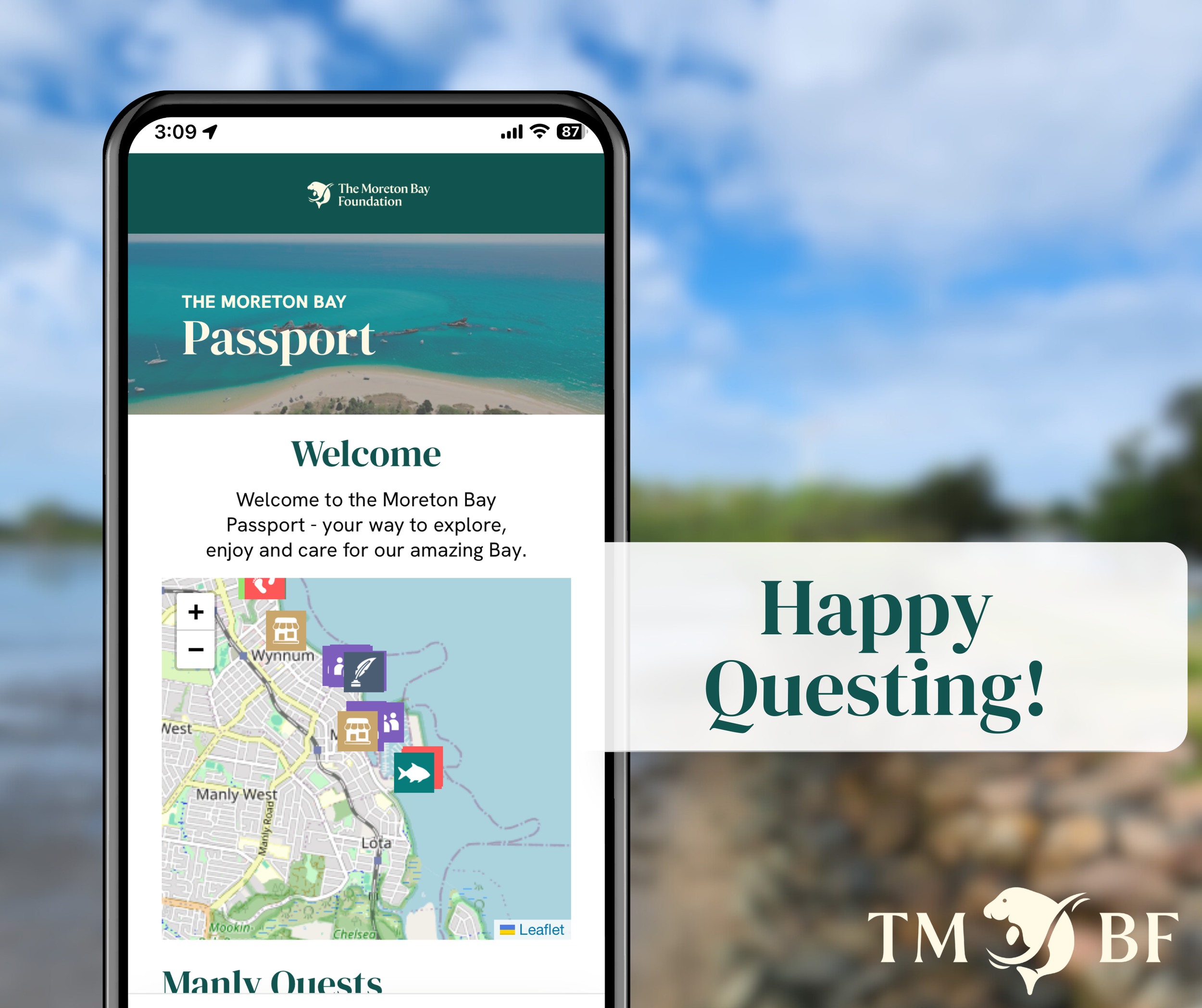
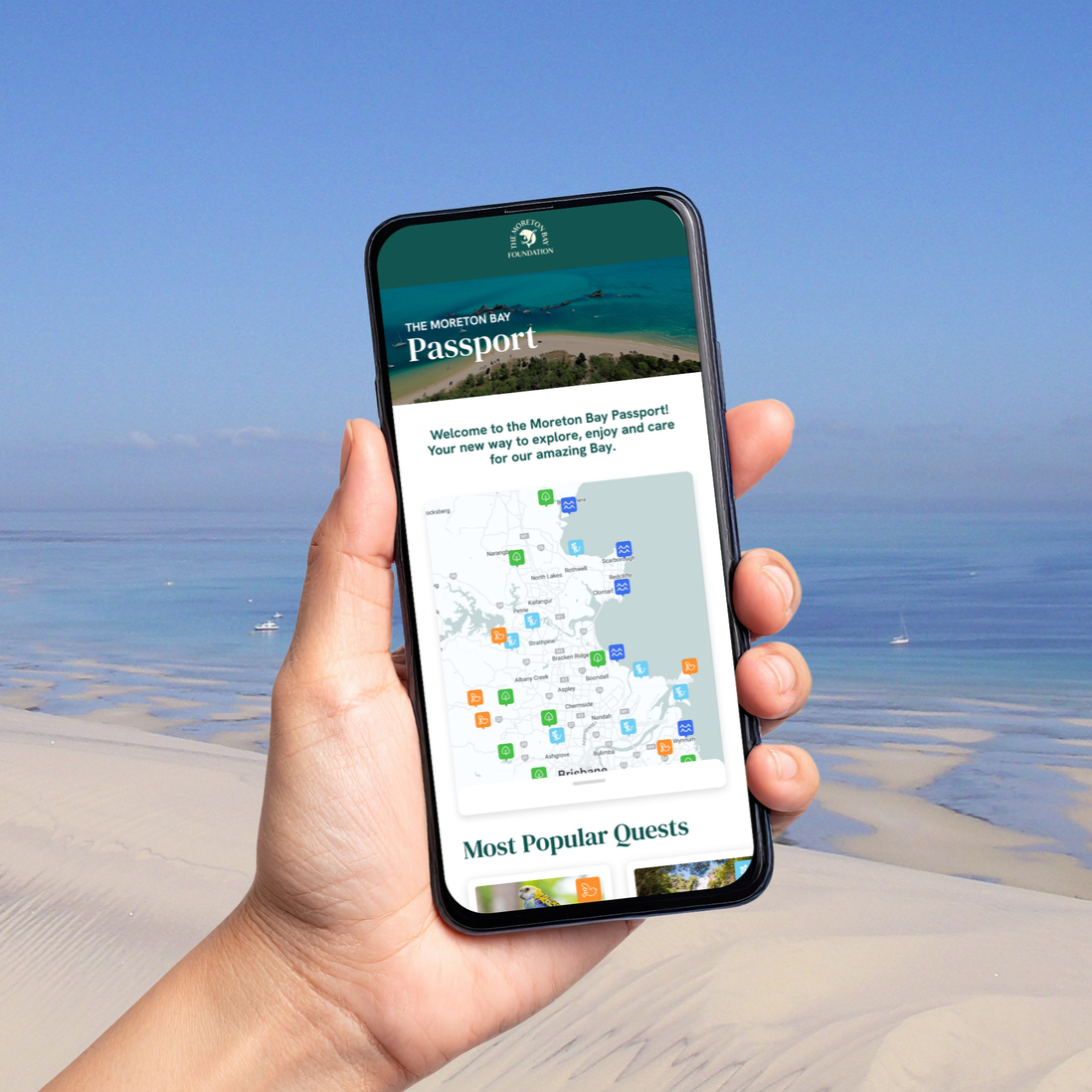
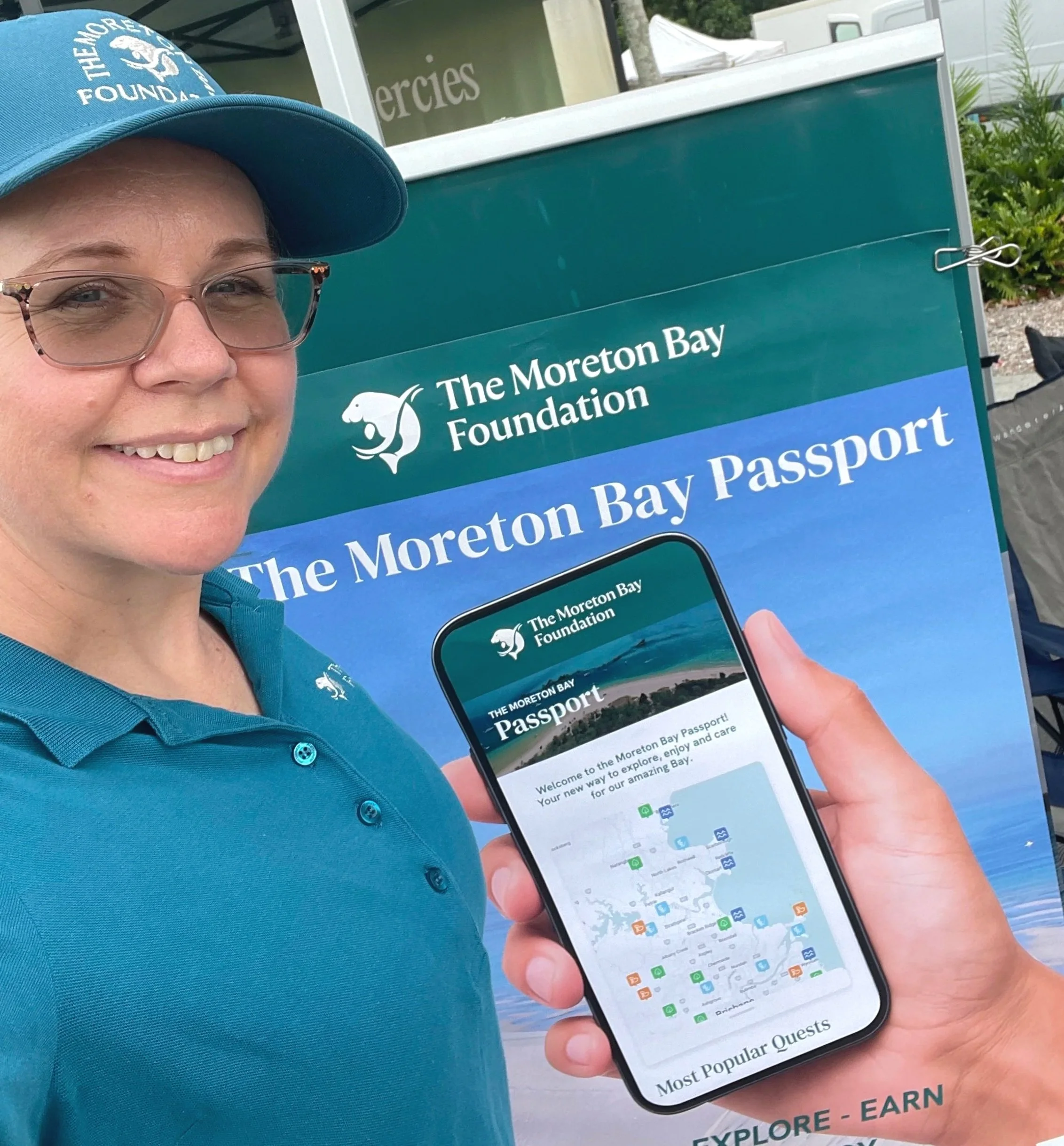
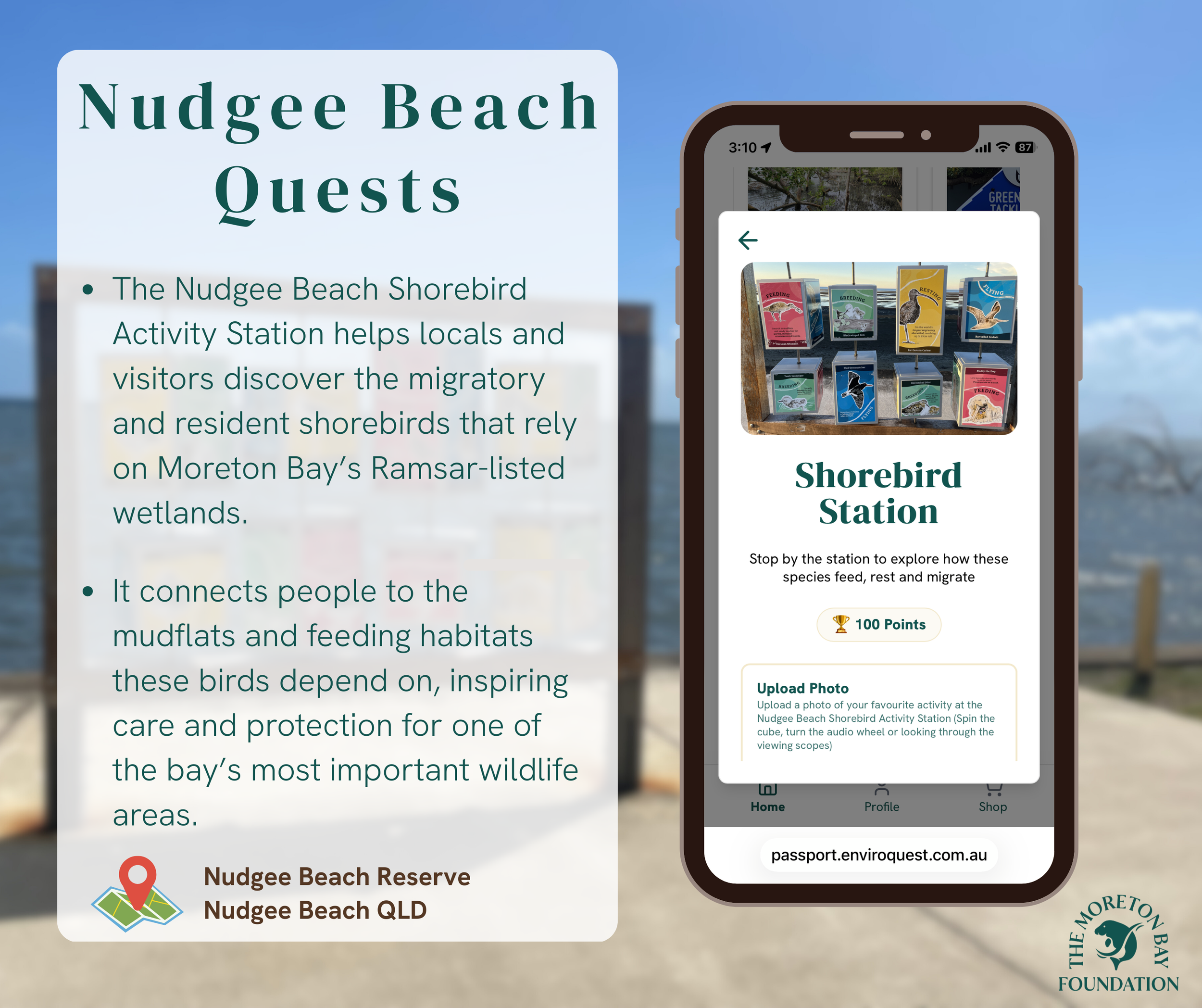
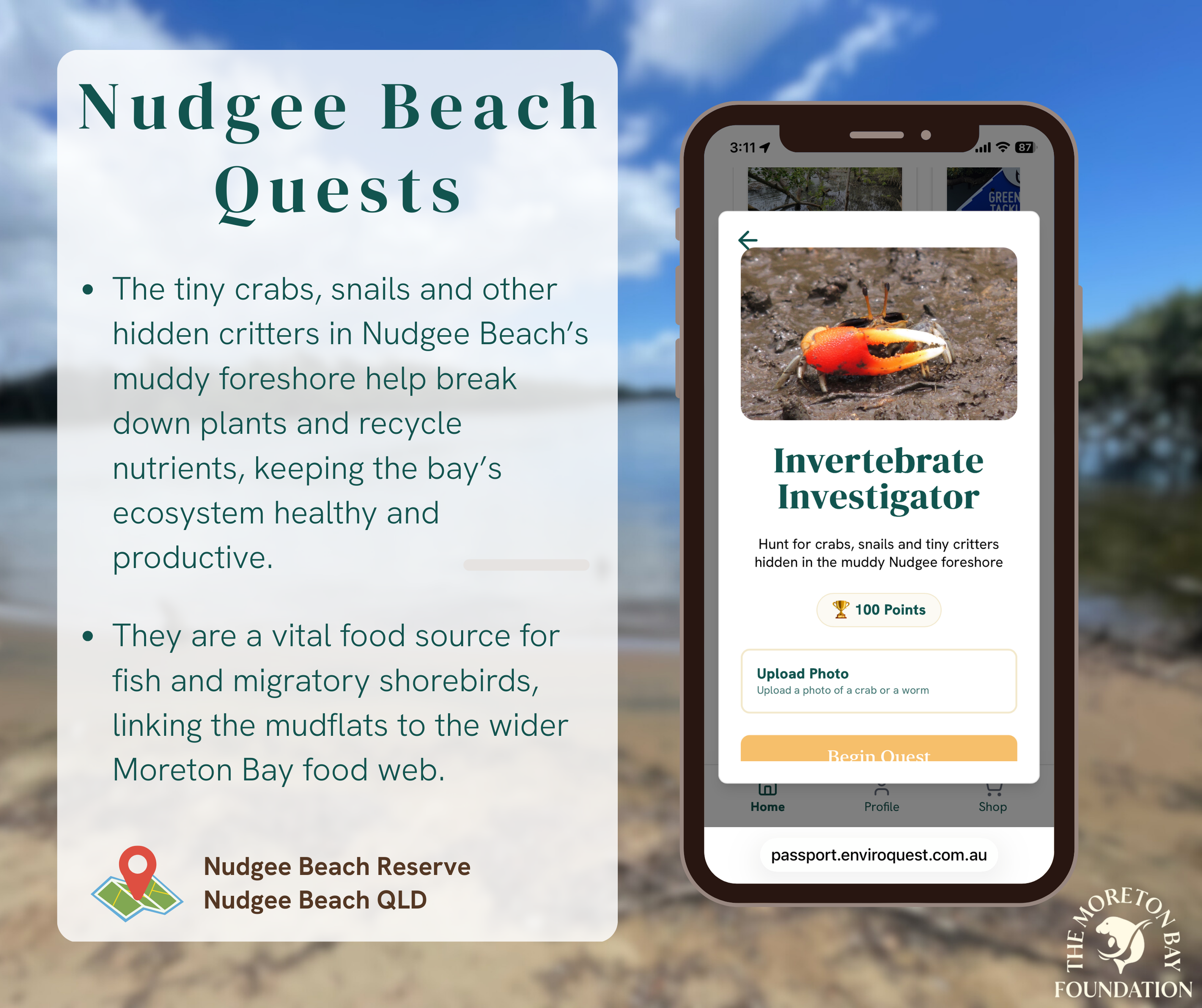
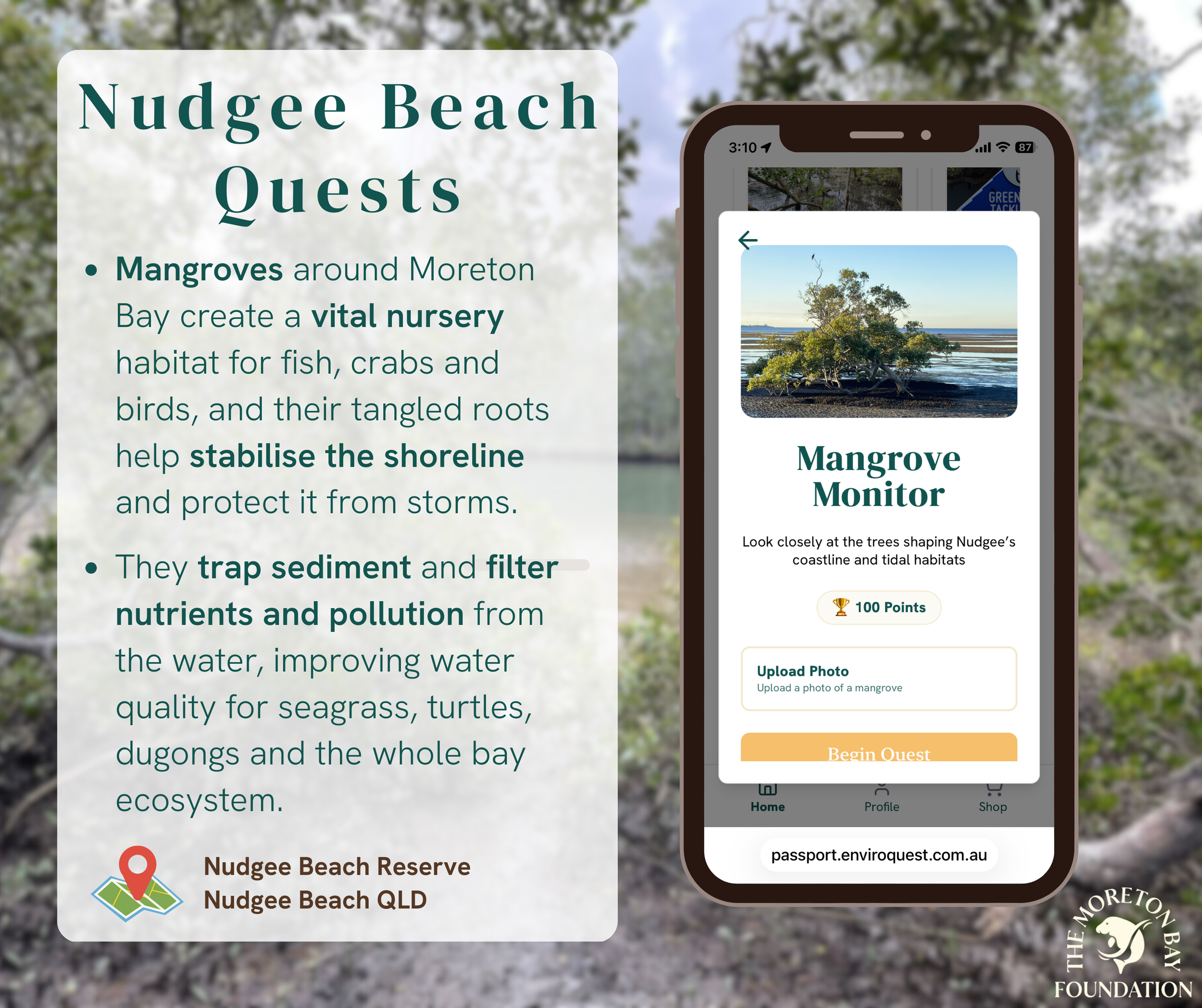
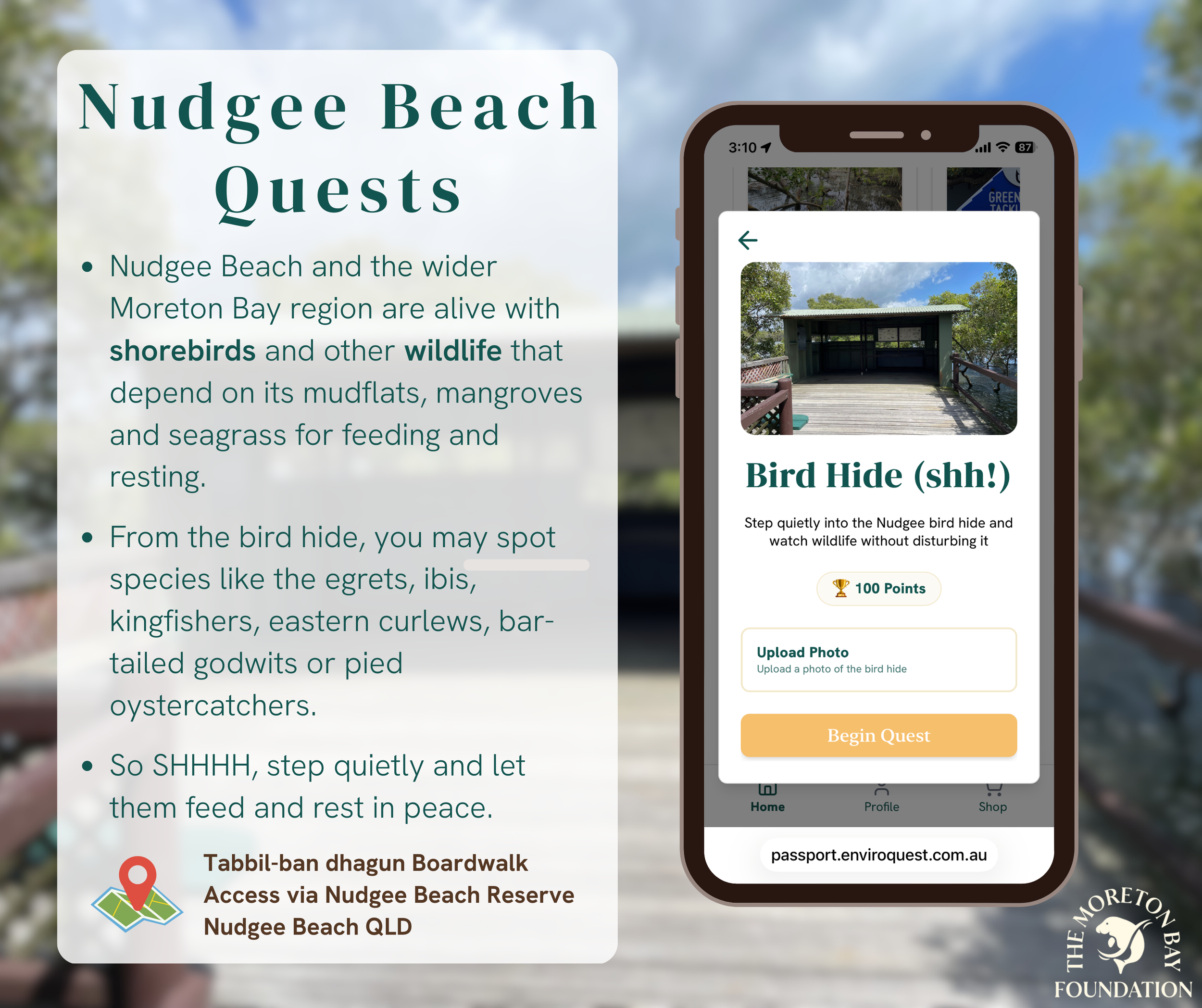
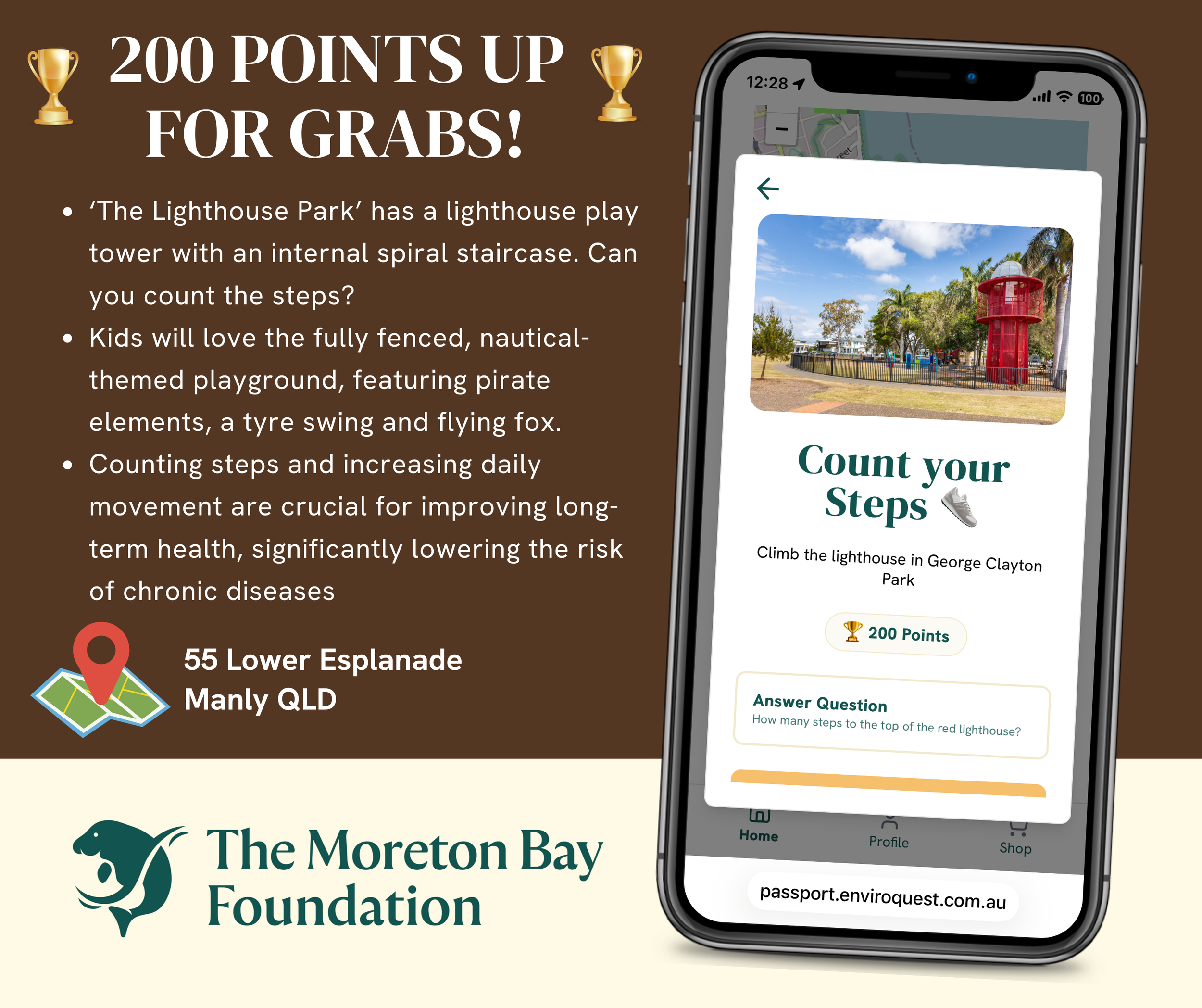
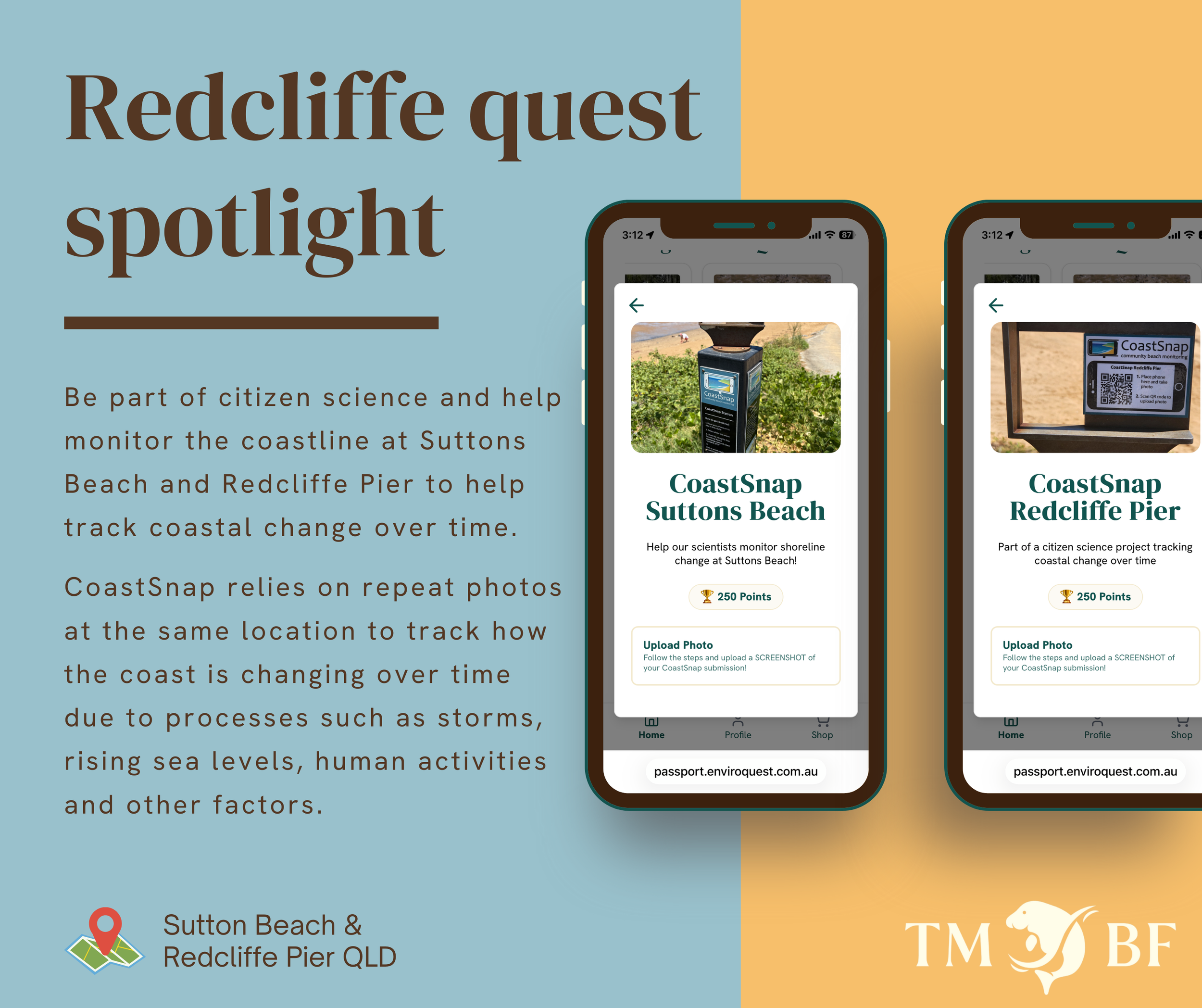
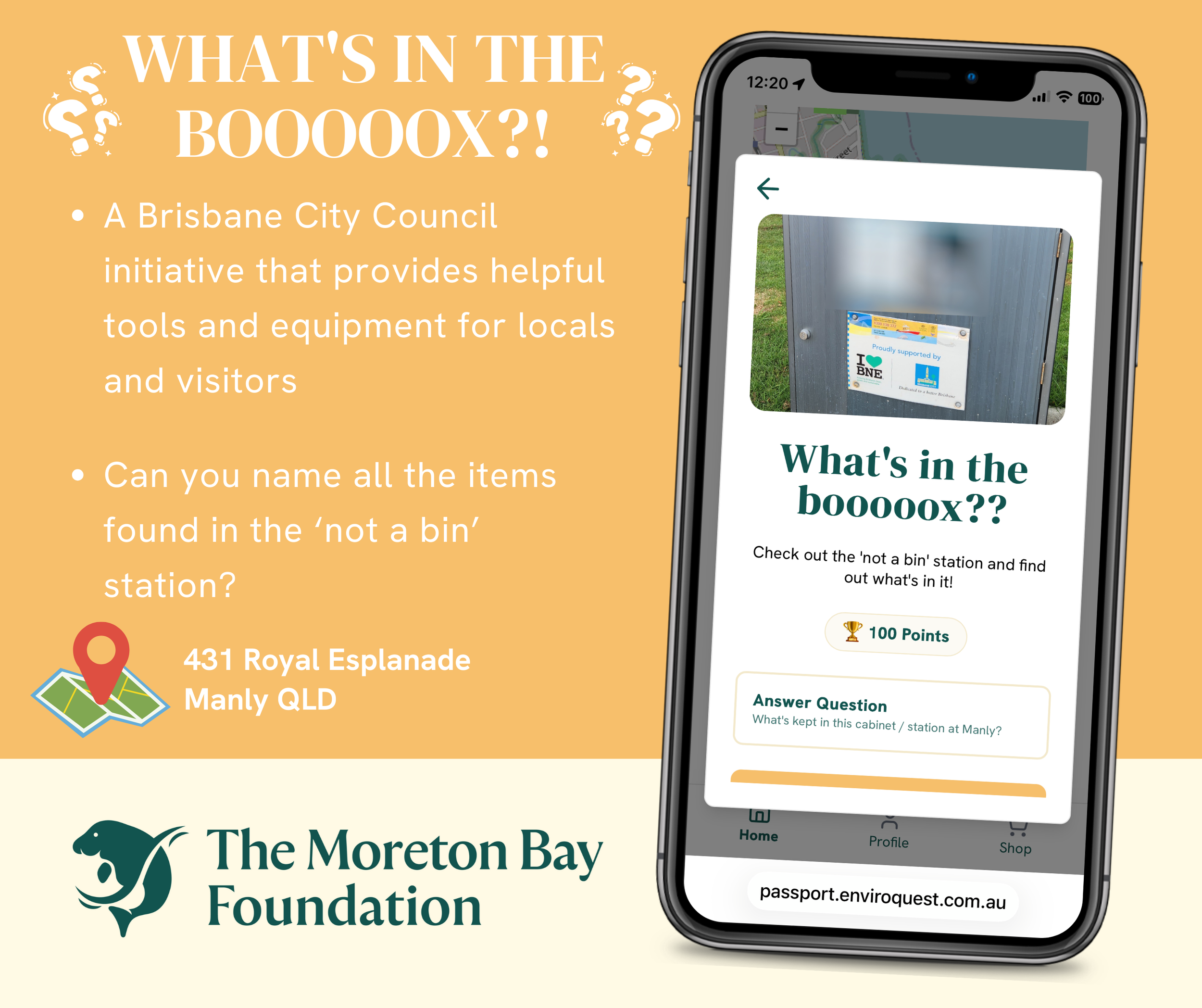
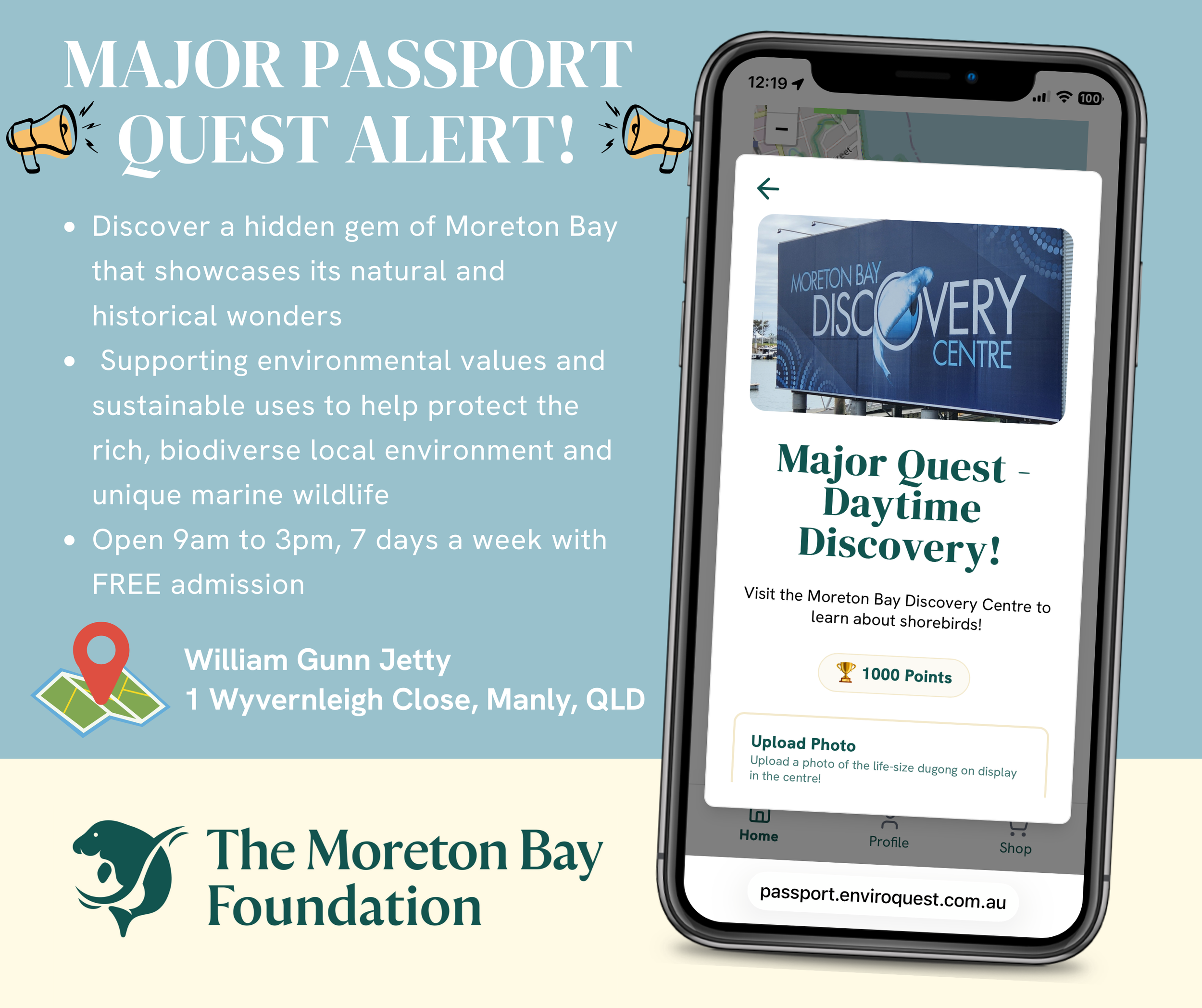
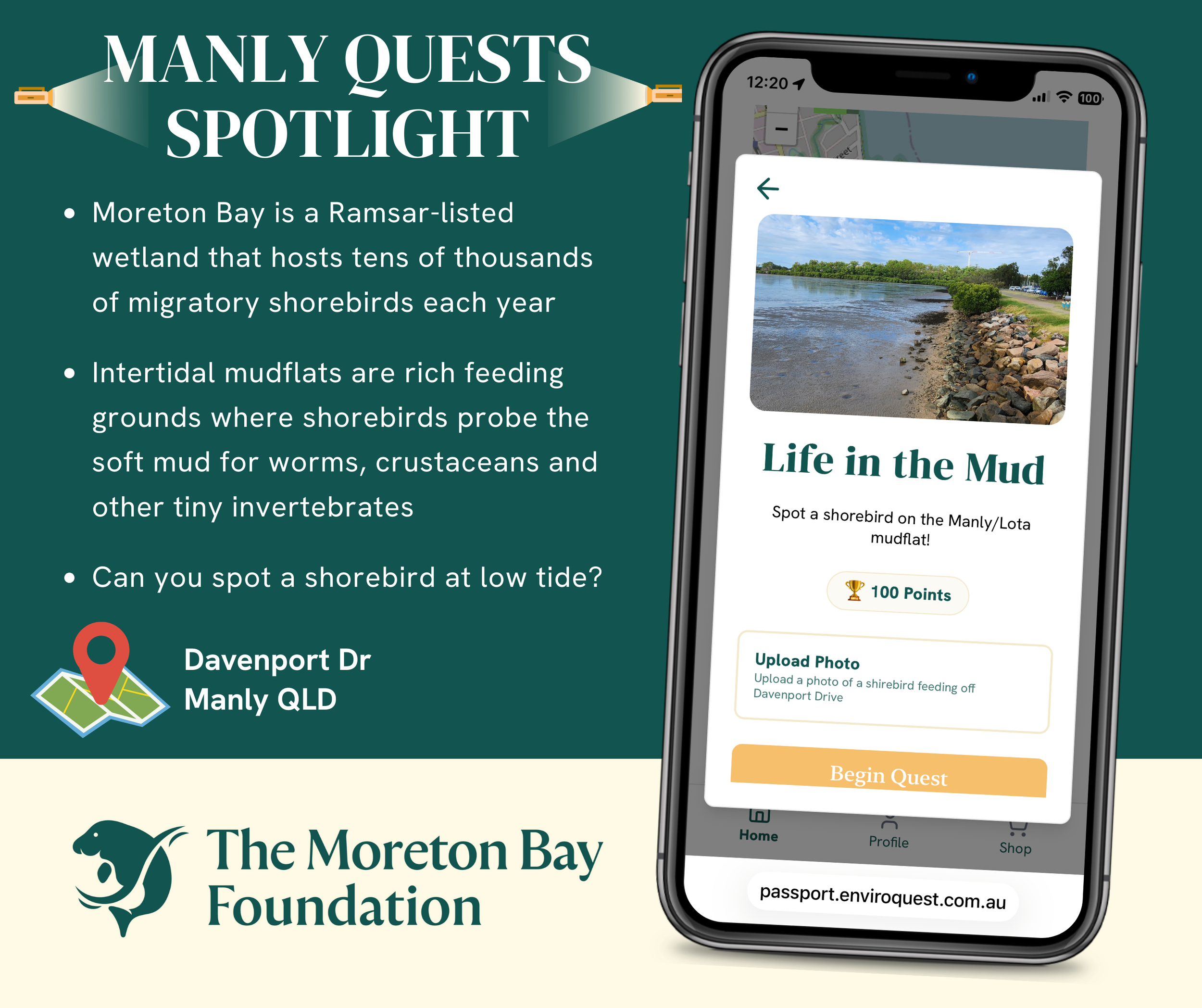
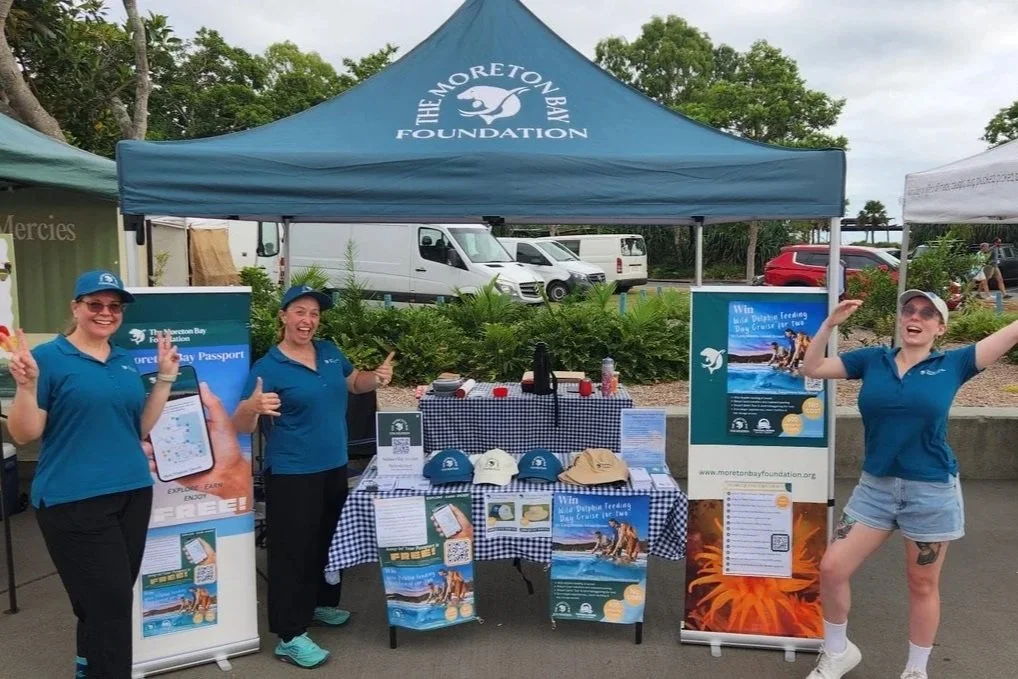
During the Summer Trimester 2025-26, I spent my Griffith University work-integrated learning placement with The Moreton Bay Foundation (TMBF), an environmental not-for-profit (NFP) focused on research, advocacy, and community stewardship for a healthy Moreton Bay. I worked as an intern on various projects with the foundation, such as reporting on the Port of Brisbane Channel Enhancement Terms of Reference, but I spent most of my time helping deliver the Moreton Bay Passport pilot. A digital engagement platform that encourages people to explore ecologically and culturally significant places through quests and rewards, while learning about the Bay. My key tasks included project planning, community engagement, business outreach, social media and campaign design, delivery of pilot events at the Redcliffe and Manly markets, and developing core documents such as the project plan, survey, document tree spreadsheet, handover document, and pilot evaluation report
Positivity plus! Such a great experience working with supportive people who are passionate about environmental conservation and protection.
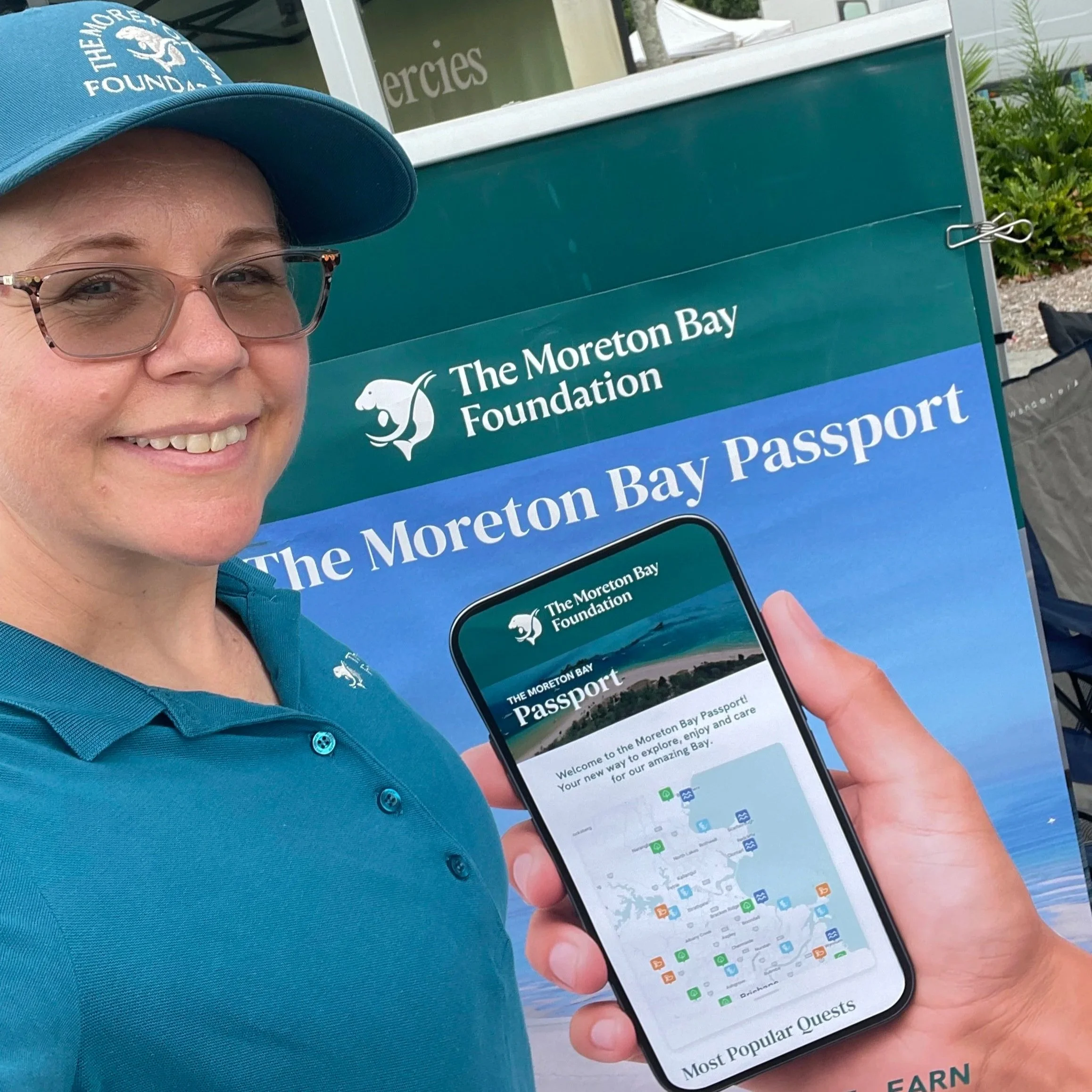
Our close-knit team from left to right: Myself, Katie Waters (TMBF CEO), Emma Cruddington (EnviroQuest web-app developer).
I felt that my past work experience gave me a solid foundation to be a real asset to TMBF and contribute to a real project with external partners and board-level visibility. However, I wanted to prove to myself that I could integrate my strong academic results with my previous work experience to genuinely add value in an environmental NFP setting. I was fortunate to have such a passionate and supportive supervisor, Katie Waters, the CEO, who inspired me to deliver key elements of the Passport. During the market events, I felt energised by talking with the community and local businesses. Not to mention chuffed to see people engaging with a project I helped deliver.
Working on the Port of Brisbane Channel Enhancement Terms of Reference, and Moreton Bay Passport pilot complemented each other: one focused on environmental governance, and the other on community-based conservation and advocacy. This gave me a comprehensive understanding of how scientific evidence, communication, and collaboration intersect in the not-for-profit sector.
A real win for me was building a relationship with Tangalooma Island Resort, which donated the grand prize for the Passport pilot period, an all-inclusive day trip to their resort.
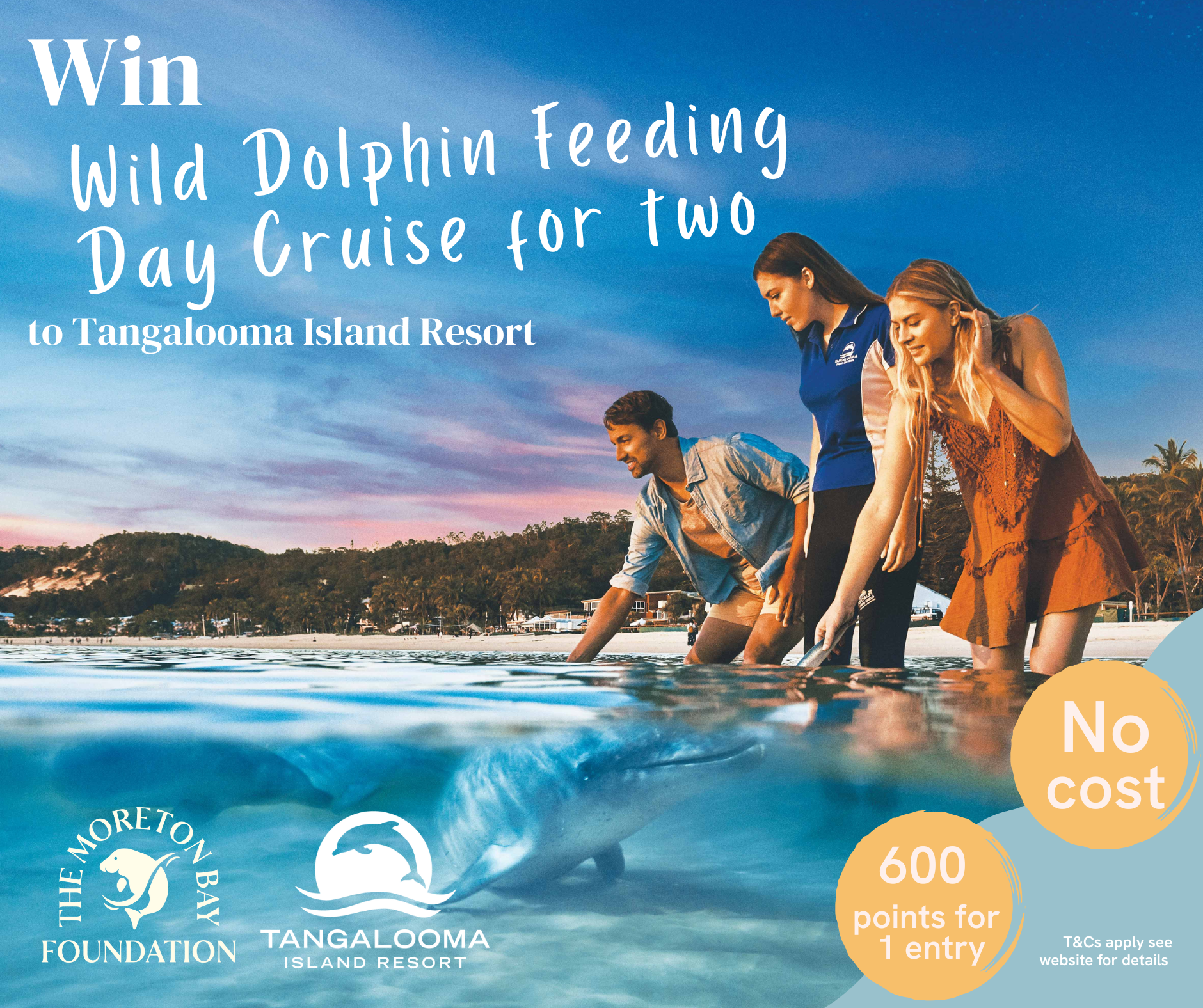
At first, I felt uneasy about offering a wild dolphin feeding experience as a prize because I understand that feeding wildlife can be harmful and is usually discouraged. However, after researching the regulations, permits, and strict controls governing the Tangalooma Island Resort Wild Dolphin feeding program, I felt reassured that their carefully managed, research-informed approach aligned with TMBF’s values and that I was more comfortable partnering with them.
I felt that my past work experience gave me a solid base to be a real asset to TMBF and contribute to a project that collaborated with an external partner and board visibility. I wanted to prove to myself that I could integrate my strong academic results with my previous work experience to genuinely add value in an environmental NFP setting by applying my learning in environmental science and economics to activity design, survey questions, and engagement strategies, which made the work feel meaningful and aligned with my career goals in environmental science, economics and sustainability.
I was fortunate to have such a passionate and supportive supervisor, Katie Walters, the CEO, who inspired me to deliver key components of the Passport. It was a great team to work with, and I felt we clicked, as evidenced by Katie's feedback, which you can read in the testimonials. During the market events, I felt energised by talking with the community and saw that my extensive customer service skills really shone through. Not to mention, I felt chuffed to see people excited and engaging with a project I helped deliver.
It wasn’t all just peachy, though; there were also challenges. Trying to reach the business owner or decision-maker was often difficult, so communication had to be very deliberate. Also, the small-team environment meant there was little redundancy, so delays or changes could have a noticeable impact on timelines. However, regular check-ins with my supervisor, constructive feedback, and a supportive organisational culture helped turn these challenges into learning opportunities.
This experience highlighted how closely my university studies connect to real-world environmental management and NFP work. Courses in environmental sustainability, environmental and energy economics, and environmental management gave me frameworks to understand behaviour change, circular economy principles, and governance, which I then applied to designing Passport activities and communication strategies that encourage stewardship rather than just tourism. My training in research methods, policy analysis, and GIS supported tasks such as site selection, background research, and the development of evidence-based project materials.
At the same time, my earlier roles in business management, client liaison, and administration gave me transferable skills in stakeholder communication, organisation, financial awareness, and problem-solving, which were essential for working in a resource-constrained NFP context. This combination of technical environmental knowledge and practical workplace skills aligns with the course’s emphasis on integrating academic learning with professional capabilities, including management, business awareness, and social responsibility. Yet it was my transferable soft skills that I leaned on to navigate deadlines, engage confidently with stakeholders, and manage evolving project priorities. The experience highlighted the importance of balancing scientific expertise with clear communication and empathy, particularly in community and advocacy settings. The Passport pilot also reinforced the vital role NFPs play in translating science into community-focused action, using digital tools and partnerships to foster environmental stewardship.
Overall, this placement has also reshaped how I view collaboration between sectors. While my long-term goal remains a career in the public sector, I now have a much deeper respect for the agility, innovation, and on-the-ground impact of NFP organisations. In future roles, I hope to strengthen partnerships between government and community stakeholders to achieve sustainable, inclusive outcomes.
Most importantly, this experience gave me a genuine sense of worth, confidence, and pride. Being part of a project that contributed to the well-being of Moreton Bay, both its environment and its communities, reaffirmed my belief that meaningful work extends beyond policy and into the lives of people and places we care about.
Looking ahead, I plan to build on this experience by:
Continuing to strengthen my project management skills through formal tools (currently learning Microsoft Power BI) and applying them in group assignments and future roles.
Deepening my knowledge in environmental economics, policy, and environmental management to better understand the broader systems that projects like the Passport operate within.
Actively reflecting on my studies using frameworks like Gibbs to ensure I keep connecting theory with practice and developing as a reflective, socially responsible environmental professional.